Representations of Learning Outcomes
- adriannaperrone13
- 5 days ago
- 5 min read
Updated: 4 days ago
The EDPR2000 practicum emphasizes the development of professional identity through active engagement within the school community and the cultivation of strong professional relationships. Throughout my placement, I intentionally aligned my practice with these learning outcomes by participating in classroom and school-based activities, collaborating with my mentor teacher, and contributing to an inclusive and supportive learning environment.
In addition, I demonstrated a commitment to these goals through critical reflection on the relationship between theory and practice. By examining the impact of educational policies, instructional strategies, and classroom resources, I developed a deeper understanding of how these elements influence student learning, while supporting learners at both the whole-class and small-group levels.
Learning Outcome #1: Engaging in the Work of the School Community
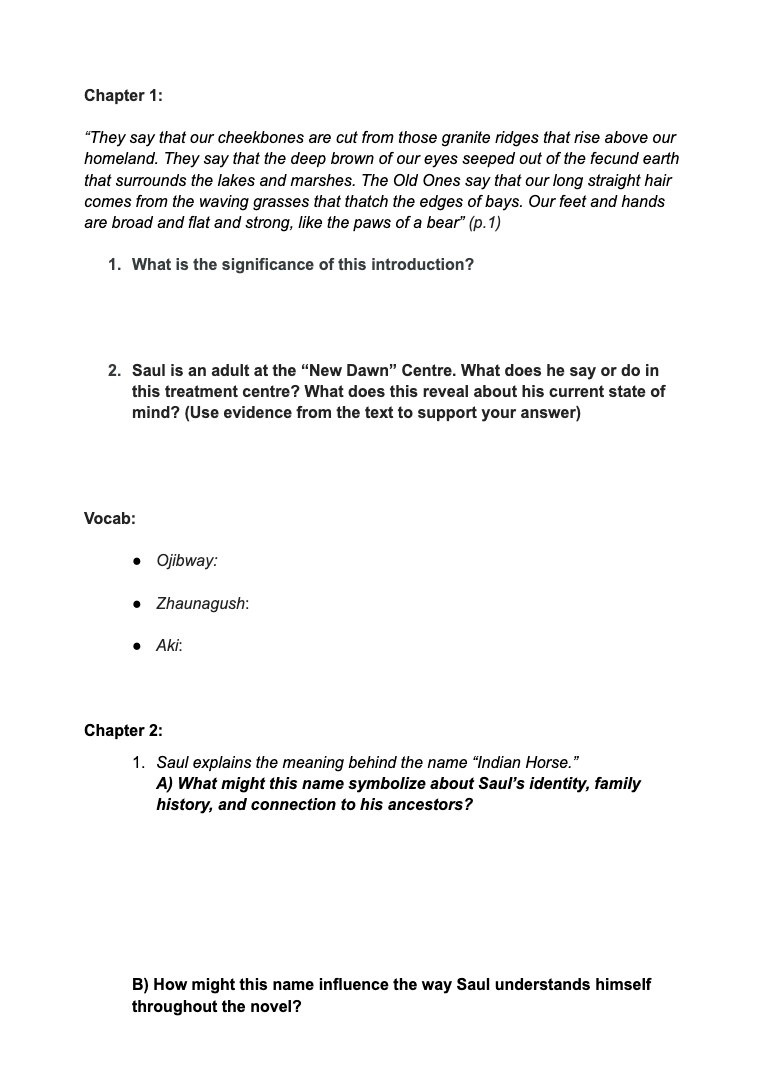
I actively engaged in the work of the school and classroom by contributing to both instructional planning and the broader school community. I developed detailed lesson plans aligned with curriculum expectations, created engaging slide presentations to support student learning, and assigned structured homework to reinforce key concepts and build continuity between lessons. These practices allowed me to support student understanding while maintaining clear organization and expectations within the classroom. In addition, I attended parent-teacher interviews, which provided valuable insight into the role of communication between educators and families. Through this experience, I observed how teachers discuss student progress, address concerns, and work collaboratively with families to support student success. This strengthened my understanding of the importance of stakeholder relationships in education. Overall, these experiences allowed me to contribute meaningfully to the classroom environment while developing my ability to communicate, plan, and support an inclusive, safe, and engaging learning community.




Learning Outcome #2: Demonstrating Professionalism
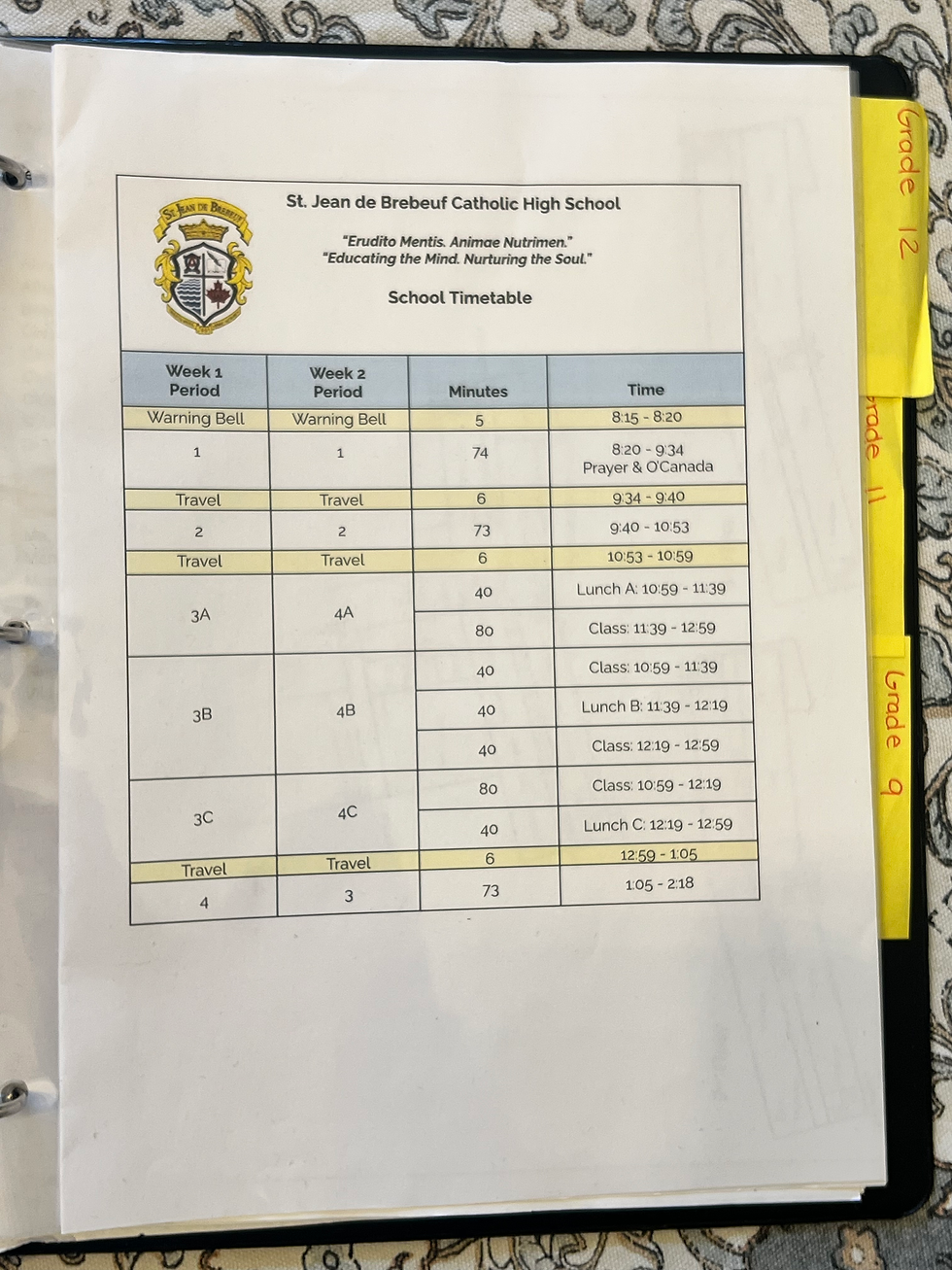
Throughout my placement, I demonstrated professionalism through strong organization, preparation, and attention to responsibility. A key example of this was maintaining a detailed practicum binder, organized by grade, which included important documents such as the health and safety checklist, practicum log, vulnerable sector check, school timetable, school map, and daily attendance for each class. This binder allowed me to stay consistently prepared, informed, and accountable, while ensuring I adhered to school policies and expectations. Additionally, I upheld professional standards through punctual attendance, clear communication, and respectful interactions with students and staff. I maintained confidentiality, demonstrated care and integrity in all interactions, and supported student learning through consistent classroom engagement. My ability to take on full teaching responsibility for a three-week period further reflects my growth in professionalism, organization, and independence as an educator.

Learning Outcome #3: Building Professional Relationships
I developed strong professional relationships with both students and my mentor teacher through collaboration, trust, and open communication. Through ongoing dialogue and shared planning with my mentor teacher, I contributed to the development of a unit plan, which strengthened our professional relationship and allowed for collaborative lesson design within the Indian Horse unit. I also built meaningful connections with students through the identity activity completed during the introduction to Indian Horse. Students were asked to draw four parts that represent their identity: their name, their family or community, their culture or background, and something important to them. They then reflected on how their identity, sense of belonging, and connection to others would be affected if one of those parts were taken away. This activity created a space for vulnerability, reflection, and student voice, allowing relationships to deepen through shared understanding and discussion. This experience highlighted that strong professional relationships are built through collaboration, respectful communication, and creating opportunities for students to feel seen, heard, and valued.


Learning Outcome #4: Active Engagement in Supporting Student Learning
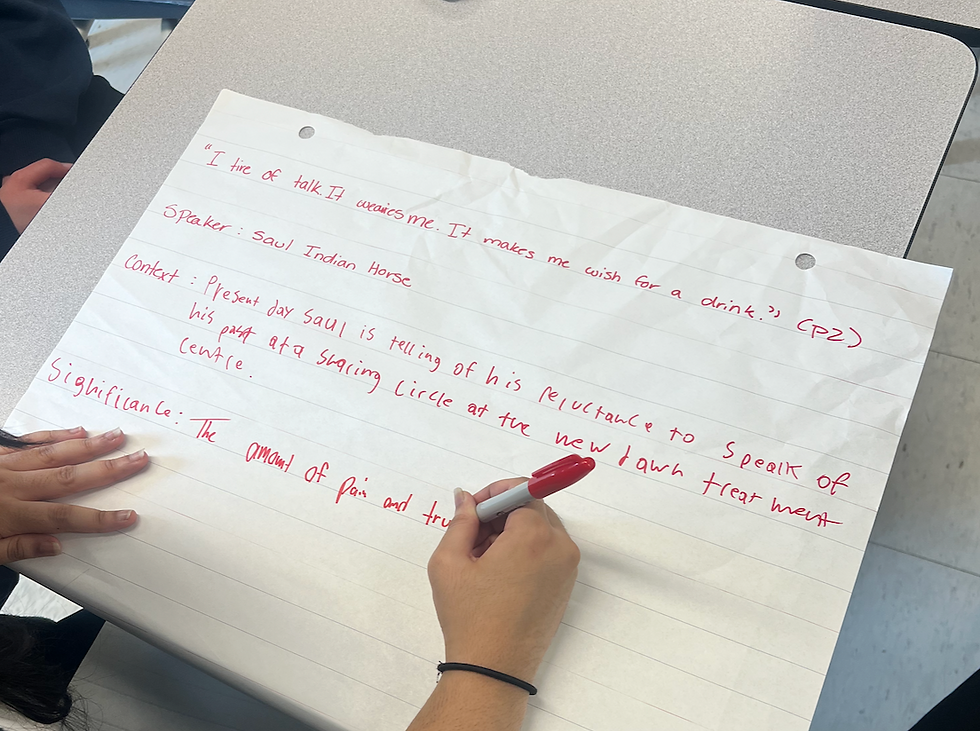
Throughout my placement, I remained actively engaged in supporting student learning through small group instruction. During the quote analysis workshop, students worked in groups using the Speaker, Context, Significance structure and recorded their thinking on chart paper. I guided discussions, clarified ideas, and supported students in developing deeper analysis. I also led a short-answer workshop using the ACE method (Answer, Cite, Explain), where students collaborated to structure their responses. I circulated between groups, provided feedback, and supported student understanding.
This experience reinforced the importance of small group work in promoting engagement, collaboration, and deeper learning.


Learning Outcome #5: Reflecting on the Learning Environment
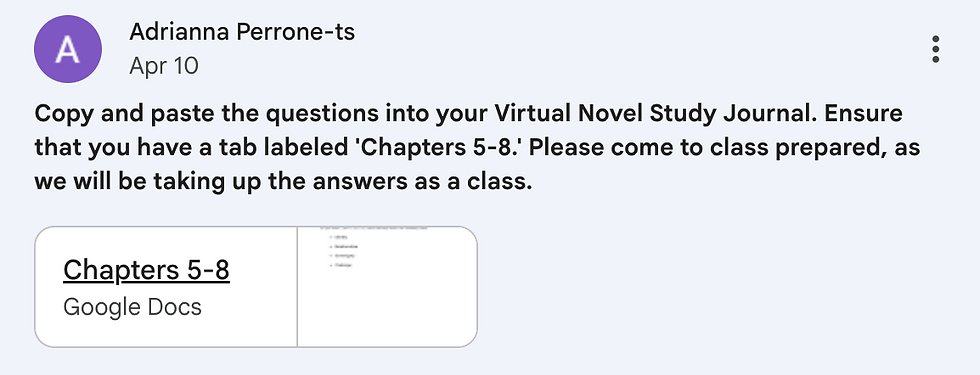
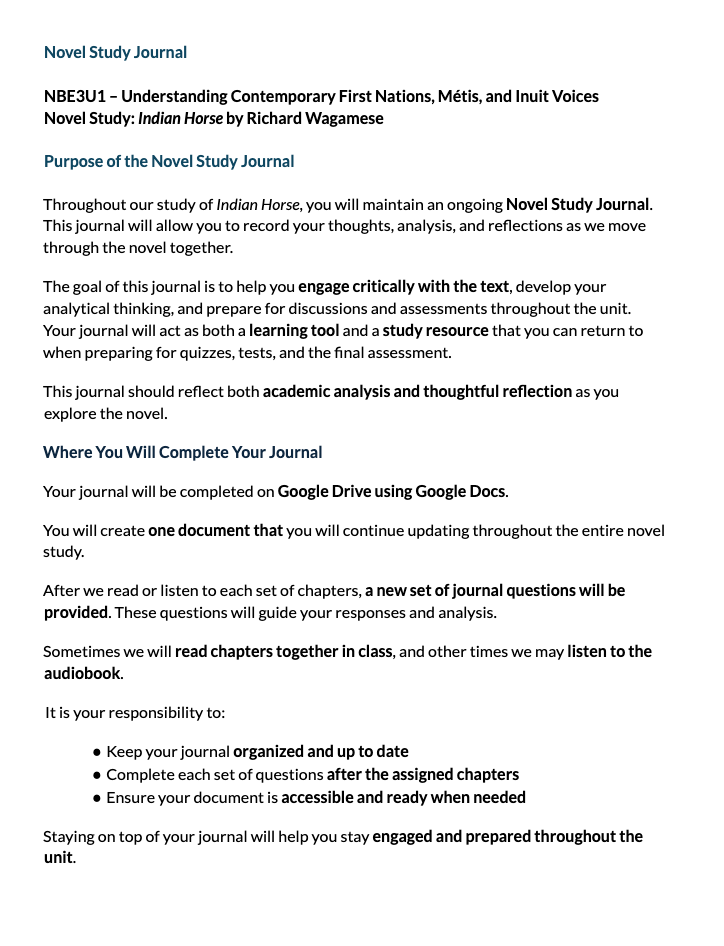
Reflection on the classroom environment highlighted the importance of accessibility, technological access, and the representation of diverse identities in supporting student learning. Consistent routines, such as the phone wall and clear daily agendas, contributed to a structured and predictable environment that supported student focus. The use of technology, particularly Google Classroom, ensured that lesson materials, announcements, and resources remained accessible to all students. Daily announcements were posted to keep students up to date on homework, expectations, and what to complete for their Virtual Novel Study Journals, supporting organization and accountability. The presence of a Safe Space sticker further reinforced an inclusive and welcoming environment, signaling that all identities are respected and valued.
This highlights how accessibility, consistent communication, and inclusive practices play a critical role in fostering student engagement and a sense of belonging.


Learning Outcome #6: Connecting Theory to Practice
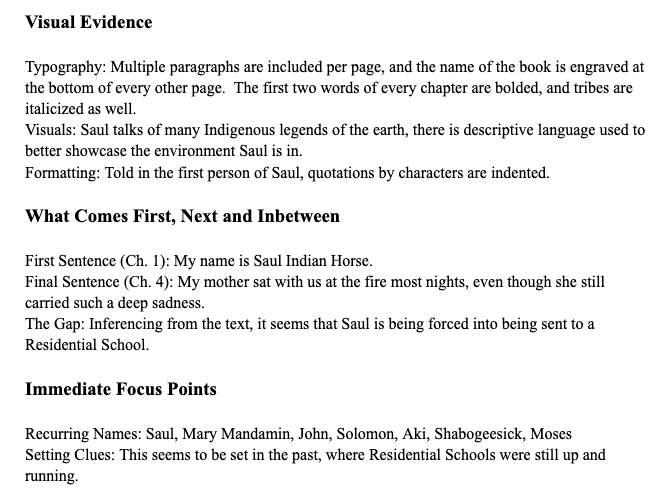
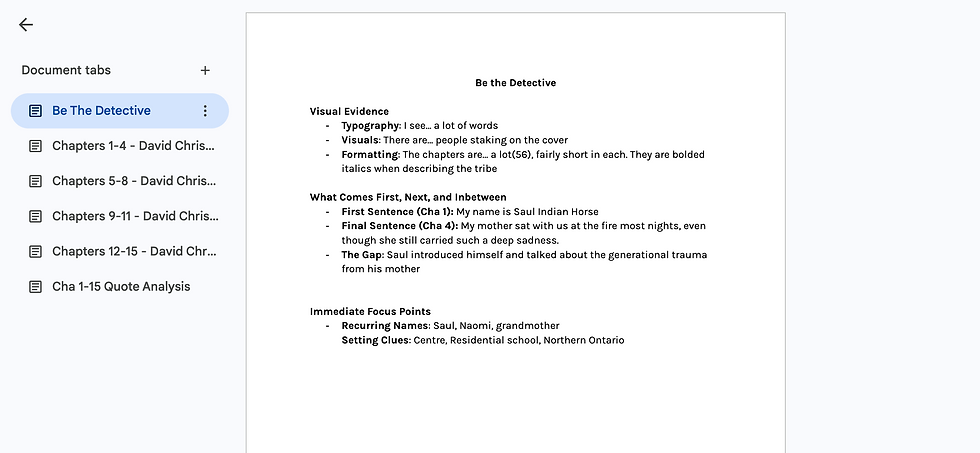
Connections between educational theory and classroom practice were evident through the use of inquiry-based and student-centered learning strategies. During the introduction to Indian Horse, the “Be the Detective” activity allowed students to analyze clues, make predictions, and engage critically with the text before reading. This approach reflects constructivist theory, as students built their own understanding through discussion, prior knowledge, and active exploration rather than direct instruction alone. Ongoing reflection on this activity highlighted how engaging students in inquiry at the beginning of a unit increases curiosity, participation, and deeper thinking. These insights were documented through observation and reflection, demonstrating how theory informed instructional choices. This demonstrates a clear understanding of how inquiry-based learning can be effectively applied in practice to support student engagement and critical thinking.


Learning Outcome #7: Investigating Learning at a Micro-Level
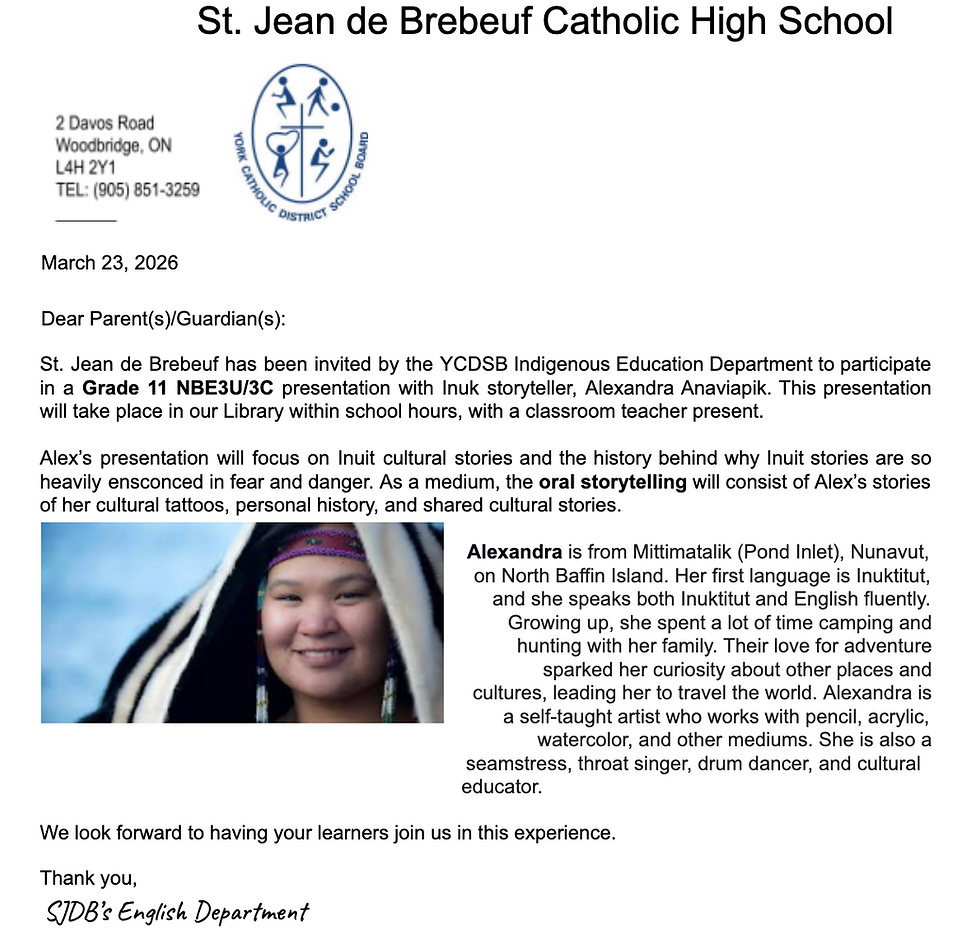
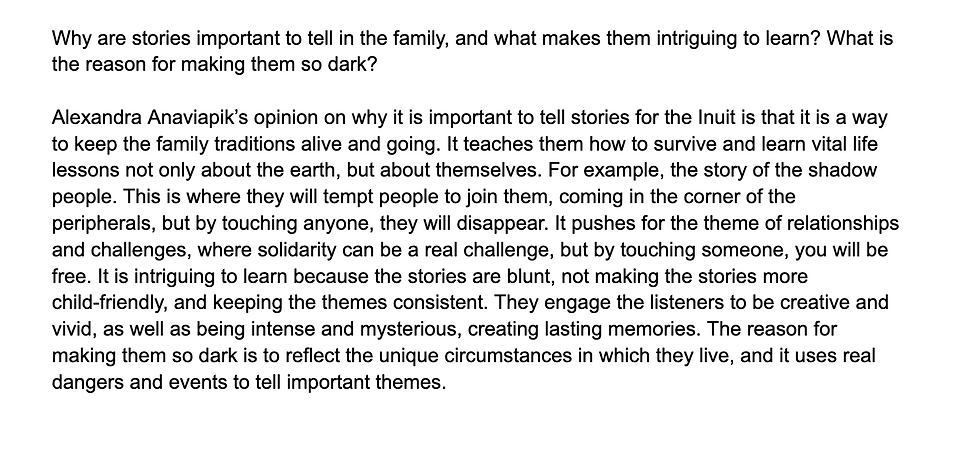
Learning at a micro-level was supported through engagement with the Inuit guest speaker Alexandra Anaviapik, where a targeted question and response task was created to guide student thinking. Following the presentation, students completed an exit ticket where they responded to the question and created a reflection based on what they learned. This allowed for insight into individual understanding, perspectives, and personal connections to the content. Small group discussions that followed further supported observation of student thinking and participation, allowing for more targeted support and guidance. These experiences provided a clearer understanding of how students process and respond to complex topics. This demonstrates an understanding of how focused tasks and responses can reveal individual learning and support more responsive teaching practices.



Learning Outcome #8: Understanding Policy and Its Impact on Learning
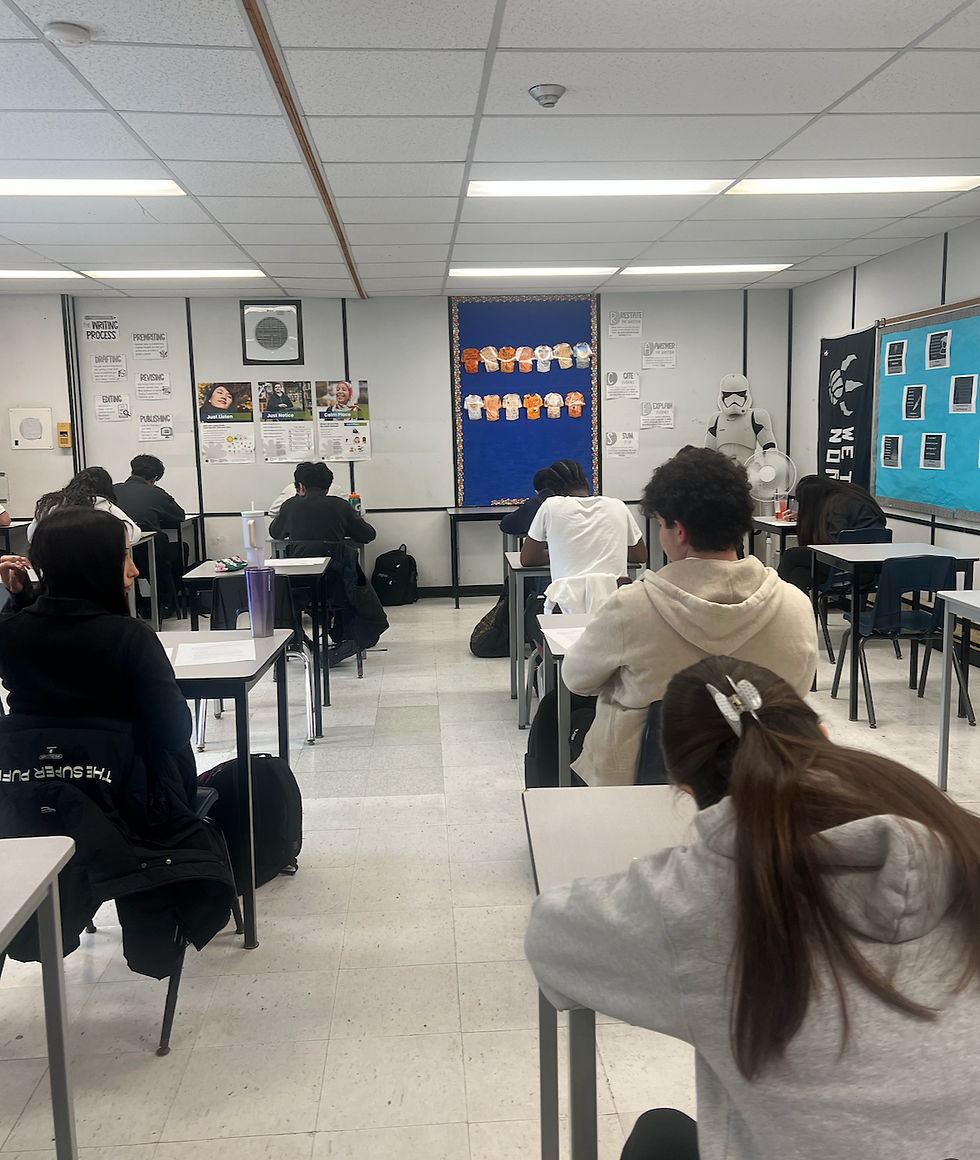
Observation of the classroom environment highlighted how Ontario Ministry of Education policies are reflected in daily school practices. Visual elements such as the fire safety wall demonstrated expectations aligned with student safety and well-being, while the bathroom sign-out system supported accountability and responsible student behaviour. The use of a class calendar reflected principles from Growing Success, promoting organization, transparency, and student responsibility for their learning.
Additional classroom expectations, such as students facing the front during instruction and desks being separated during tests and formal assignments, supported focused learning environments and academic integrity. These structures demonstrated how policy is translated into everyday classroom practices that shape student behaviour, engagement, and success. This highlights how Ministry policies are actively embedded in the classroom environment and play a key role in creating safe, organized, and effective learning spaces.


Learning Outcome #9: Reflecting on Instructional Strategies and Resources
A central component of my teaching practice was the creation and implementation of a virtual novel study journal, which became a key tool in supporting student learning. This journal allowed students to consistently track their thinking, respond to prompts, and build their analysis over time as we progressed through Indian Horse. Rather than completing isolated tasks, students developed a continuous record of their learning, which strengthened both their comprehension and critical thinking skills. In addition, I used a variety of instructional strategies such as Mentimeter, group discussions, workshops, and homework take-up to support engagement and understanding.This experience showed me that thoughtfully designed tools and strategies can significantly deepen student learning and create more meaningful, connected educational experiences.


Comments